- KR






Increasingly sophisticated smart buildings are being developed to improve
efficiency, reduce costs and improve the lives of residents and businesses.
A key element in the development of smart buildings is the ability to
integrate a high degree of intelligence into indoor air quality (IAQ)
management. IAQ refers to the quality of air in and around buildings and
structures, particularly as it relates to the health, safety and comfort of
occupants.
Since people spend approximately 90% of their time indoors, indoor air
quality plays an important role in their overall health. The indoor air of our
homes, schools, offices and factories can be two or even five times more
polluted than the air outside.
In recent decades, buildings have become more and more airtight to be more
and more energy efficient. This is why ventilation systems have an essential
role in the renewal of indoor air, in order to permanently eliminate all kinds
of pollutants, most bio-organisms and certain gases. The CO2 concentration
is today one of the most important IAQ parameters to check, because it is
the main indicator of the quality of the air change rate,
(or Air Change Rate - ACR).
| What does a good air exchange rate eliminate indoors? | ||
| Chemical and physical pollutants | Bio-organisms | Gas |
| Volatile organic compounds (VOC) Formaldehyde (CH2O) Micro / Nano particles (PM2.5, PM10...) |
Bacteria Viruses Mold |
Carbon dioxide (CO2) Carbon monoxide (CO) Ozone (O3) Nitrogen oxides (NOx) Hydrogen sulfide (H2S) Sulfur dioxide (SO2) |
All recent and modernized buildings are now
equipped with a complete ventilation network
allowing them to renew their indoor air, while
managing at least its two main parameters:
temperature and humidity. This ventilation system
is built around an air handling unit (CTA), which
centralizes the equipment necessary for air
circulation and the regulation of its parameters.
This is mainly where Sauermann sensor-
transmitters come into play. They constantly
monitor the quality of the air leaving the AHU. In
addition to the output of AHUs, transmitters can
also monitor air entering rooms within the
building. These fixed devices offer high reliability
for continuous operation and high measurement
accuracy. They transmit their measurements to a
central computerized monitoring station to adjust
the air flow, or trigger alarms in the event of
problems with the air supply parameters provided
by the building's AHU.
Monitoring indoor air quality is also necessary
within the rooms frequented by the occupants of
a building. This type of measurement is provided
by data loggers, which have the advantage of
being completely autonomous and mobile
Most public buildings, offices and schools can be
satisfied with spot checks, but regular and
extended over several days of activity. These
checks are sometimes scheduled to verify
compliance of indoor air quality with certain
standards for protecting the health and safety of
occupants.
Some managers of buildings welcoming a
sensitive public will prefer to ensure permanent
monitoring of indoor air in certain living
rooms. This is the case for nurseries and schools,
and other establishments welcoming seniors or
people in weak situations. Recorders are also
preferred for this type of monitoring because of
their very high autonomy and ease of use.
For start-up or maintenance diagnostics of
ventilation systems, portable devices are the
favorite instruments of HVAC professionals. They
want to obtain reliable measurements in the palm
of their hand thanks to mobile instruments
offering foolproof reliability.
Controlling indoor air quality is an essential
element of this type of activity, closely linked to
the proper functioning of the indoor air
conditioning system. It can also be involved in
inspections intended to verify whether indoor air
management complies with current standards.
As part of this type of control, measuring the CO2
level is particularly relevant. It makes it possible
to determine whether the indoor air is sufficiently
renewed by the ventilation system. This rate of air
renewal then directly conditions the
concentration of pollutants, bio-organisms and
harmful gases.
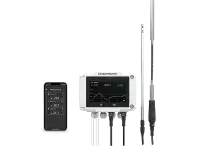
Sauermann의 Si-C320은 한 대의 트랜스미터로 압력, 풍속, 풍량, 온도, 습도 등을 포함하여 여러 항목 측정이 가능한 다기능 트랜스미터 입니다. Si-C320 다기능 트랜스미터는 KIMO의 C310 제품에서 리뉴얼 되어 출시되었습니다.새롭게 리뉴얼 된 Si-C320 다기능 트랜스미터는 공기의 완벽한 조절/모니터링이 필요한 클린 룸, 규제된 환경 및 산업용 VAC 분야에 신뢰할 수 있는 측정을 제공하고 가장 엄격한 규정을 준수할 수 있도록 해주며, 압력/풍속/습도 등을 포함한 여러 측정 항목을 포괄적으로 확인하고 제어할 수 있습니다. 제품의 하우징은 리뉴얼 되기 전 C310 다기능 트랜스미터 보다 높은 IP66 등급으로 방진/방수에 있어 견고하며, 기화된 과산화수소(VHP)에 대한 내성을 갖추고 있습니다. 또한, 처음 접해도 쉽게 조작할 수 있을 만큼 사용법이 간편하며, 편리하게 측정되는 값을 Sauermann Control 애플리케이션/소프트웨어를 통해 측정값을 기록하고 다운로드할 수 있습니다.
Read More
KIMO의 TH 110은 습도와 온도를 측정하는 설치형 트랜스미터 입니다. 상대습도의 측정범위는 5 ~ 95 %RH이며, 온도의 측정범위는 표준형과 대기형 모델은 0 ~ +50 °C, 덕트형과 프로브형 모델은 -20 ~ +80 °C 입니다. 간편한 사용법과 함께 안정적인 성능을 자랑하며, 사용자가 쉽게 데이터를 수집하고 모니터링 할 수 있도록 지원합니다.
Read More
KIMO의 CO 112는 CO2(이산화탄소)를 측정하는 설치형 트랜스미터 입니다. CO2 센서(적외선 센서)를 통해 이산화탄소를 측정할 수 있습니다.
Read More
최대 5줄까지 노출됩니다 최대 5줄까지 노출됩니다 최대 5줄까지 노출됩니다 최대 5줄까지 노출됩니다 최대 5줄까지 노출됩니다 최대 5줄까지 노출됩니다 최대 5줄까지 노출됩니다 최대 5줄까지 노출됩니다 최대 5줄까지 노출됩니다 최대 5줄까지 노출됩니다 최대 5줄까지 노출됩니다 최대 5줄까지 노출됩니다
Read More
KIMO AMI 310 휴대용 다기능 측정기 입니다. 풍속, 풍량 (베인 프로브 및 열선), 압력, 온도 (PT100 및 써모커플), 습도, 공기질 (CO/CO₂),회전 속도계를 포함한 여러 항목을 동시에 측정합니다. 풍속프로브 (유/무선, 텔레스코픽 타입 선택) 모델명 형식 풍속 범위 SH14 / SHT14 ø14 mm 베인프로브 0 ~ 25 m/s SH70 / SHT70 ø70 mm 베인프로브 0.5 ~ 35 m/s SH100 / SHT100 ø100 mm 베인프로브 0.5 ~ 35 m/s SFC300 / SFC900 열선프로브 0.15 ~ 30 m/s 온습도프로브 (유/무선 선택) 모델명 온도 습도 SHR110 -20 ~ 80 ℃ 0 ~100 %RH SHR300 -40 ~ 180 ℃ 0 ~100 %RH 대기압 모델명 온도 차압 (대기압) 습도 MCC 0 ~ +50 ℃ 800 ~ 1,100 hPa 5 ~ 95 %RH RPM(타코미터) 모델명 접촉식 비접촉식 STA 30 ~ 3,000 rpm 60 ~60,000 rpm 공기질모델명 CO CO₂ 온도 습도 SCO 110 0 ~ 500 ppm -20 ~ +80 ℃ SCO 112 0 ~ 5,000 ppm -20 ~ +80 ℃ SCOH 112 0 ~ 5,000 ppm -20 ~ +80 ℃ 5 ~ 95 %RH 조도 모델명 조도 SLU 0 ~ 150,000 LUX 온도 모델명 온도 M4TC 교체형 4채널 써머커플 모듈 K: -200 ~ +1300 °C J: -100 ~ +750 °C T: -200 ~ +400 °C S: 0 ~ +1760 °C N: -200 ~ +1300 °C MCU 교체형 U coefficient 모듈 -20 ~ +1,300 °C
Read More
KIMO HQ210 다기능 휴대용 공기질 측정장비 입니다. 교체형 프로브에 따른 측정범위 입니다. 온습도프로브 (유/무선 선택) SHR110 -20 ~ 80 ℃, 0 ~100 %RH SHR300 -40 ~ 180 ℃, 0 ~100 %RH 무지향성 기류측정기 SOM900 0.00~5.00 m/s, 5~95 %RH, -20~80 ℃ 실내공기질 SCOH112 -20 ~ 80 ℃, 0 ~5000 ppm, 0 ~ 100 %RHSCO110 0 ~ 500 ℃, 0 ~ 500 ppm 교체형 대기압 모듈MCC 0 ~ +50 ℃, 800 ~ 1,100 hPa, 5 ~ 95 %RH
Read More
KIMO의 MP 110 / 111 / 112 / 115은 휴대용 압력(차압)계 입니다. 클린룸 환경에서의 정밀한 차압 측정을 지원하며, 휴대하기 편리한 디자인을 갖추고 있습니다. 신뢰성이 있는 성능으로 인정 받고 있으며, 다양한 환경에서 사용이 가능한 장비 입니다.
Read More
KIMO의 휴대용 온습도계 HD 110 입니다. 센서 일체형 케이블 타입으로 상대 습도, 온도 및 이슬점을 측정합니다.
Read More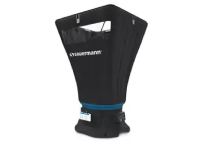
Sauermann의 DBM 620은 새롭게 디자인된 공기 유량계 입니다. 주로 공기 통풍구에서 직접 공기량을 효율적으로 판독하는데 사용되는 다목적 전자 공기 균형 장비입니다.
Read More
KIMO의 LV 110 / 111 / 117은 휴대용 베인(바람개비)형 풍속계 입니다. 베인 프로브를 이용하여 풍속과 풍량, 온도를 함께 측정할 수 있습니다. 바람개비 형태 프로브의 직경은 100 mm, 70 mm, 14 mm로 모델명에 따라 다릅니다. 조건에 알맞은 제품 선택으로 손쉽게 정확한 풍속과 풍량을 측정할 수 있습니다.
Read More
KIMO VT 110 / 115 열선 풍속계 입니다. 풍속 0.15 ~ 30 m/s, 풍량 0 ~ 99999 m3/h, 온도 0 ~ 50 °C 하위 모델인 VT50의 기능에 풍량을 표시하는 기능이 추가되었습니다. 열선 프로브를 이용한 공기 흐름, 풍속 및 온도를 측정하는 데 적합합니다. VT 115는 90 ° 직각으로 굽혀지며 최대 1미터까지 연장 가능한 텔레스코픽 타입입니다.
Read More
AQ 110은 주변 공기에 존재하는 이산화탄소(CO2) 농도를 측정합니다.
Read More
CT 110 타코미터는 광학 또는 접촉 연결로 축, 디스크 또는 모터의 RPM을 측정합니다.
Read More
CO2, 습도, 온도 및 대기압을 정확하게 측정하려면 무선 연결이 가능한 KCC 320 IAQ 데이터 로거가 최적의 선택입니다. 이 제품은 최대 네 가지 기록 가능한 매개변수를 동시에 측정할 수 있습니다
Read More
데이터에 빠르게 접근해야 하지만 로거를 위치에서 제거하고 싶지 않으신가요? KT 320 다기능 데이터 로거는 Kistock Mobile 앱을 통한 무선 연결을 사용하여 로거와 스마트폰 또는 태블릿을 연결할 수 있습니다. 또한 최대 5개의 기록 가능한 파라미터를 동시에 측정할 수 있습니다.
Read More
간단한 온도 및 습도 측정이 필요한 경우, KH 50 데이터 로거가 최적입니다. 16,000개의 측정 포인트를 가집니다. 데이터 로거는 농업, 산업 및 임상 실험실에서 다양한 측정값을 모니터링하는 데 사용됩니다.
Read More
최대 2줄까지 노출됩니다 최대 2줄까지 노출됩니다 최대 2줄까지 노출됩니다 최대 2줄까지 노출됩니다 최대 2줄까지 노출됩니다 최대 2줄까지 노출됩니다 최대 2줄까지 노출됩니다 최대 2줄까지 노출됩니다
최대 2줄까지 노출됩니다 최대 2줄까지 노출됩니다 최대 2줄까지 노출됩니다 최대 2줄까지 노출됩니다 최대 2줄까지 노출됩니다 최대 2줄까지 노출됩니다 최대 2줄까지 노출됩니다 최대 2줄까지 노출됩니다
최대 2줄까지 노출됩니다 최대 2줄까지 노출됩니다 최대 2줄까지 노출됩니다 최대 2줄까지 노출됩니다 최대 2줄까지 노출됩니다 최대 2줄까지 노출됩니다 최대 2줄까지 노출됩니다 최대 2줄까지 노출됩니다